
Wildlife in Nosara: Where to Spot Howler Monkeys, Scarlet Macaws, and More
A Natural Sanctuary on the Pacific Coast
Wildlife in Nosara is one of the main reasons this coastal town has become a bucket-list destination for nature lovers. Surrounded by tropical dry forest, mangroves, and untouched beaches, Nosara offers a privileged ecosystem where iconic Costa Rican species thrive side by side. You don't need to travel far or book expensive tours to witness this biodiversity—simply walking the trails of the Nosara Biological Reserve or relaxing at your accommodation is enough to hear the deep roar of howler monkeys at sunrise.
Howler Monkeys: The Forest's Noisy Guardians
The howler monkey is arguably the most iconic animal in the area. Their deep, resonant call can be heard for miles, especially during early morning or dusk. These primates move in troops across the forest canopy and are commonly spotted near the Nosara Reserve, along the Nosara River, and in wooded areas close to Playa Guiones. For the best photos, bring a lens with good zoom and keep a respectful distance—these are wild animals that deserve their space.
Scarlet Macaws: Color in Flight Over the Canopy
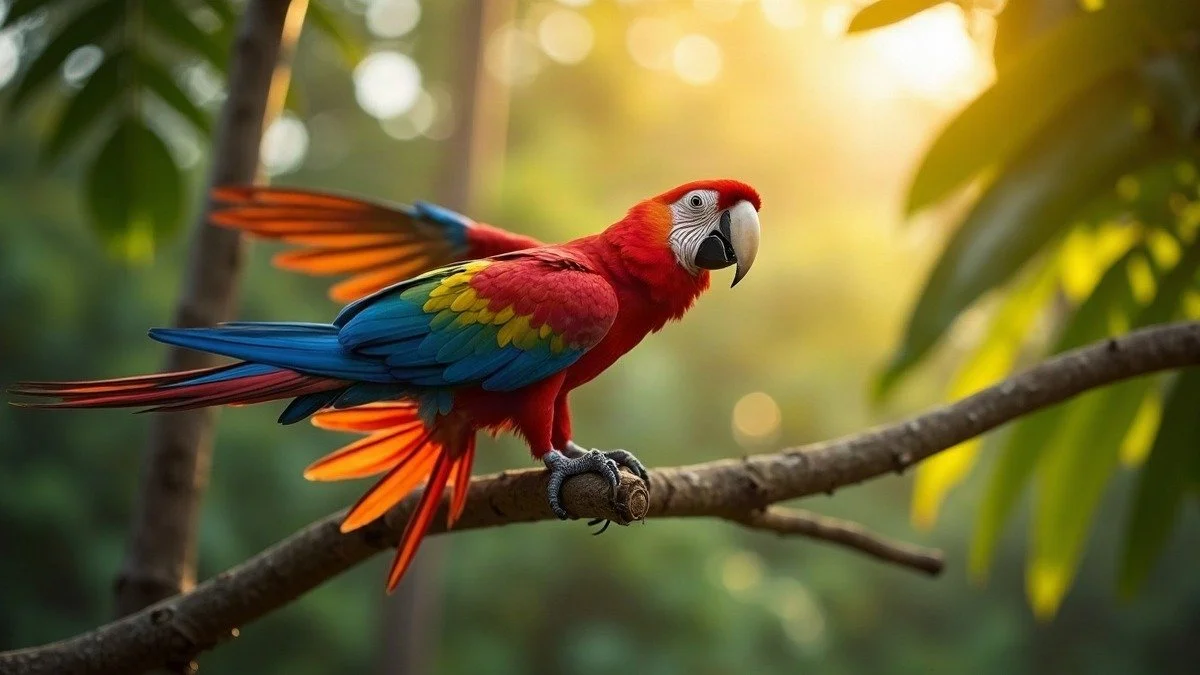
Spotting a scarlet macaw flying over the jungle is a breathtaking experience. While they're more commonly seen in other parts of Guanacaste like Carrillo or Curú, sightings have also been reported in Nosara, particularly near beach almond trees, their favorite food source. If you're hoping to photograph them, early morning is ideal, when they typically fly in pairs or small groups searching for food. Their red, blue, and yellow plumage against Guanacaste's clear skies makes for a postcard-perfect shot for any wildlife photographer.
Sloths, Iguanas, and Life in Slow Motion
Nosara is also home to two-toed and three-toed sloths, which blend seamlessly into high tree branches and often require a trained eye—or a local guide—to spot. Green iguanas and ctenosaurs (black iguanas) are much easier to see, sunbathing on fallen logs or near rocky outcrops. These reptiles add another layer of diversity to the region's fauna and make excellent subjects for beginner wildlife photographers, since they tend to stay still for long periods.
Birds, Raccoons, and Mangrove Magic
The mangroves of Nosara, especially at the mouth of the Nosara River, are a paradise for bird watchers. Herons, kingfishers, pelicans, and even ibises can be spotted in a single kayak trip or morning walk. It's also common to encounter raccoons, coatis, and armadillos wandering near forest trails at dusk. The combination of ecosystems—jungle, mangrove, and beach—makes Nosara a biodiversity hotspot within Guanacaste.
Tips for Responsible Wildlife Watching
To enjoy wildlife in Nosara ethically, avoid feeding animals, maintain a respectful distance, and hire certified local guides who understand each species' behavior patterns. The best times for spotting wildlife are early morning and late afternoon, when animals are most active. Bring binoculars, wear neutral-colored clothing, and pack plenty of patience: nature moves at its own pace, and witnessing it in its natural habitat is a privilege worth protecting for future generations.
"Make Malinche Nosara your next destination. Click the link in our bio to book!"